March 4, 2026 · 7 min read
Understanding GHRH and GHRP Research Peptides
Growth-hormone-releasing hormone (GHRH) analogs and growth-hormone-releasing peptides (GHRPs) are two distinct classes of research compounds that act on the growth-hormone axis through different receptors.
GHRH analogs such as Tesamorelin and CJC-1295 mimic the body's own GHRH, binding its receptor to stimulate growth-hormone release. GHRPs such as Ipamorelin act on the ghrelin receptor instead. Because the two classes engage separate pathways, they are frequently studied together to examine potential synergy in pulsatile growth-hormone release.
Ipamorelin is often highlighted in research for its selectivity — in models it stimulates growth-hormone release with comparatively little effect on cortisol or prolactin, which makes it a clean tool for isolating GHRP-specific effects.
All compounds discussed are research materials. They are supplied for in vitro laboratory research use only and are not intended for human use.
Related compounds
 99.83% pureBestseller
Growth Hormone Peptides
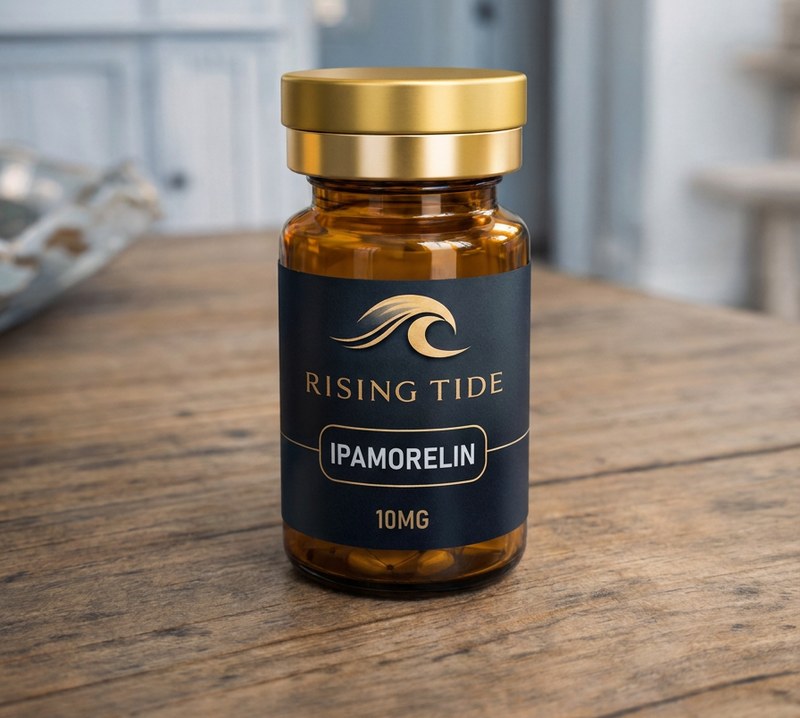
Ipamorelin
A selective growth-hormone-releasing peptide (GHRP) studied for clean, pulsatile GH release in research models.
 99.87% pure
Growth Hormone Peptides
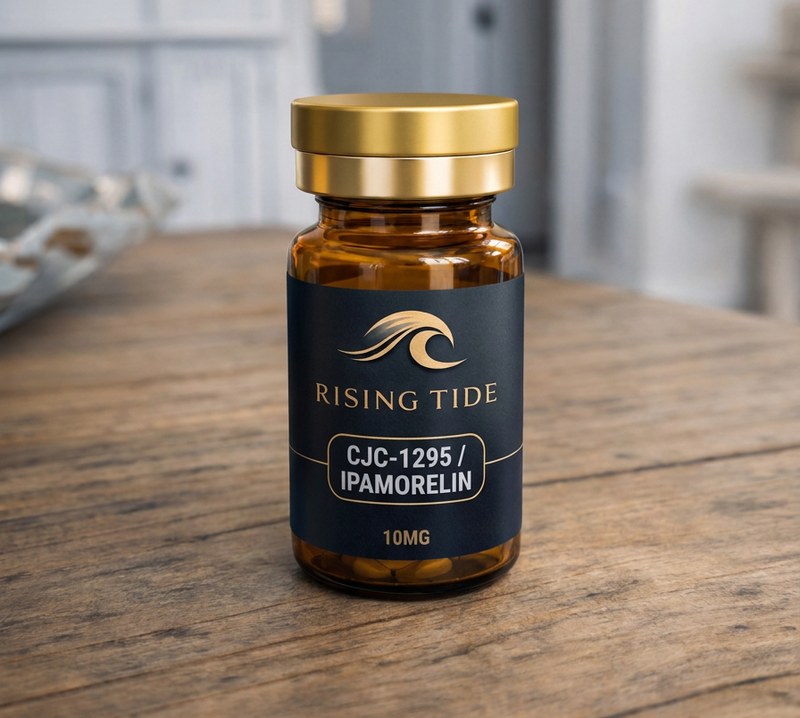
CJC-1295 (no DAC) / Ipamorelin Blend
A complementary GHRH + GHRP blend studied for synergistic growth-hormone pathway activity.
 99.78% pure
Growth Hormone Peptides
Tesamorelin
A stabilized GHRH analog studied in metabolic and visceral-adipose research models.